
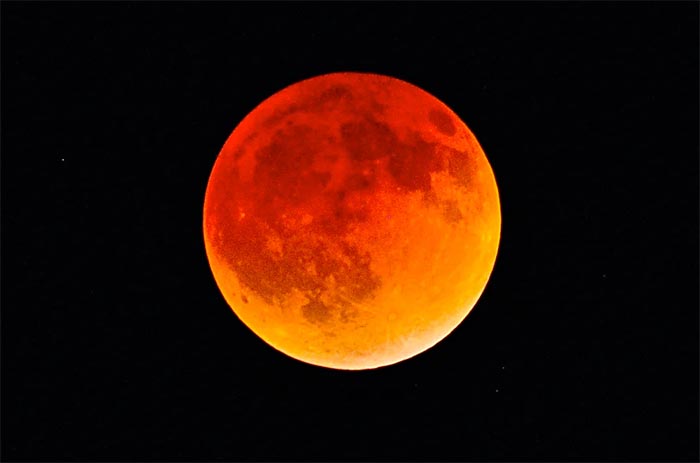
Blood Moon
A Blood Moon total lunar eclipse will occur on Tuesday, 3 March 2026. This is the only total lunar eclipse of the year and the last one visible from most of the world until late 2028.
Observation Details for 3 March 2026
The event will be visible to billions across the Americas, Asia, and Oceania.
Duration of Totality: The Moon will glow red for approximately 58 minutes.
Peak Time: Globally, totality occurs between 11:04 UTC and 12:02 UTC.
Visibility by Region:
New Zealand: Prime viewing from roughly 9:45 pm on 3 March to 1:00 am on 4 March.
Australia: Visible nationwide; totality starts around 9:34 pm in Adelaide and 10:04
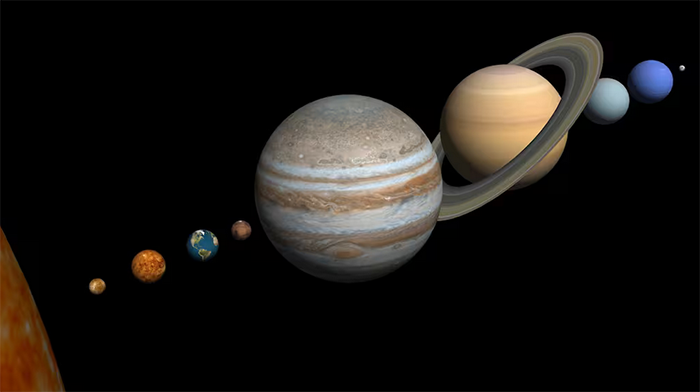
A rare six-planet alignment
Mercury, Venus, Jupiter, Saturn, Uranus, Neptune visible from New Zealand on February 28, 2026, around 30–45 minutes after sunset. Look toward the western horizon to spot the planets strung along the ecliptic, with Venus and Jupiter being the brightest, naked-eye, objects.
Key Viewing Details for NZ:
Time: Approx. 30–45 minutes after sunset (roughly 8:30 PM NZDT in many areas, but check your local sunset time).
Direction: Low in the western horizon.
Planets Visible to Naked Eye: Venus, Jupiter, and Mars. Mercury and Saturn may be trickier due to their low position in the twilight.
Equipment Needed: Binoculars or a telescope are necessary to spot Uranus and Neptune.
Conditions: A clear, unobstructed view of the western horizon is essential.
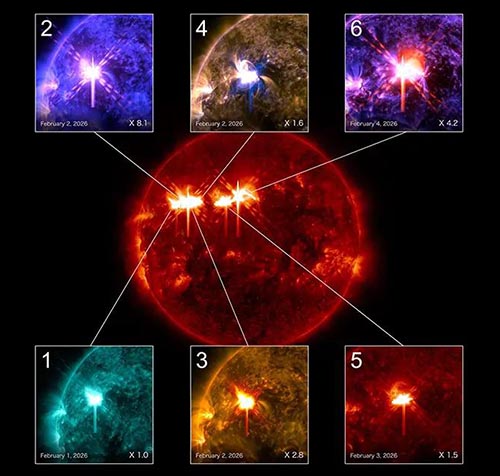
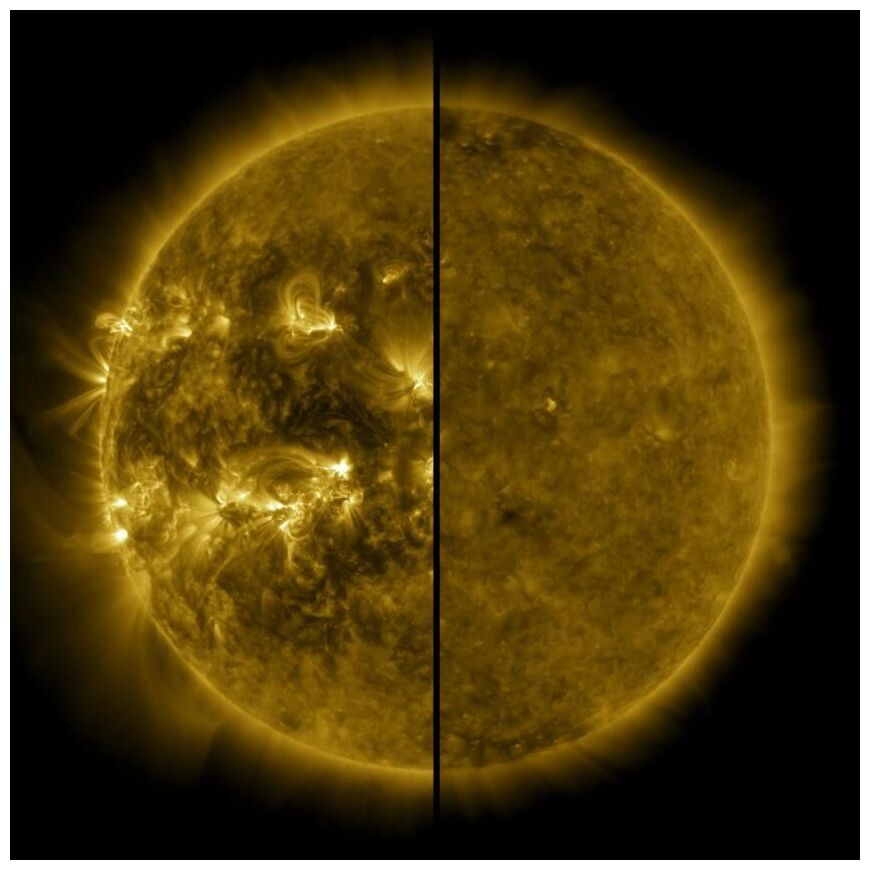
Scientists Successfully Predict When and Where Dangerous Solar Storms Are Likely to Happen
 From Apocalypse to “Oops” – The Emily Litella Climate Moment has Arrived
Failed Climate Predictions  Climate Change Perceptions
Major Climate Grooming Course Shuts Down as World Turns Away from Constant Media Gaslighting
One excavator, 10,000 bodies, a sea of rubble: inside Gaza’s effort to retrieve and bury its dead
The Unreported Story Of Grid Scale Battery Fires
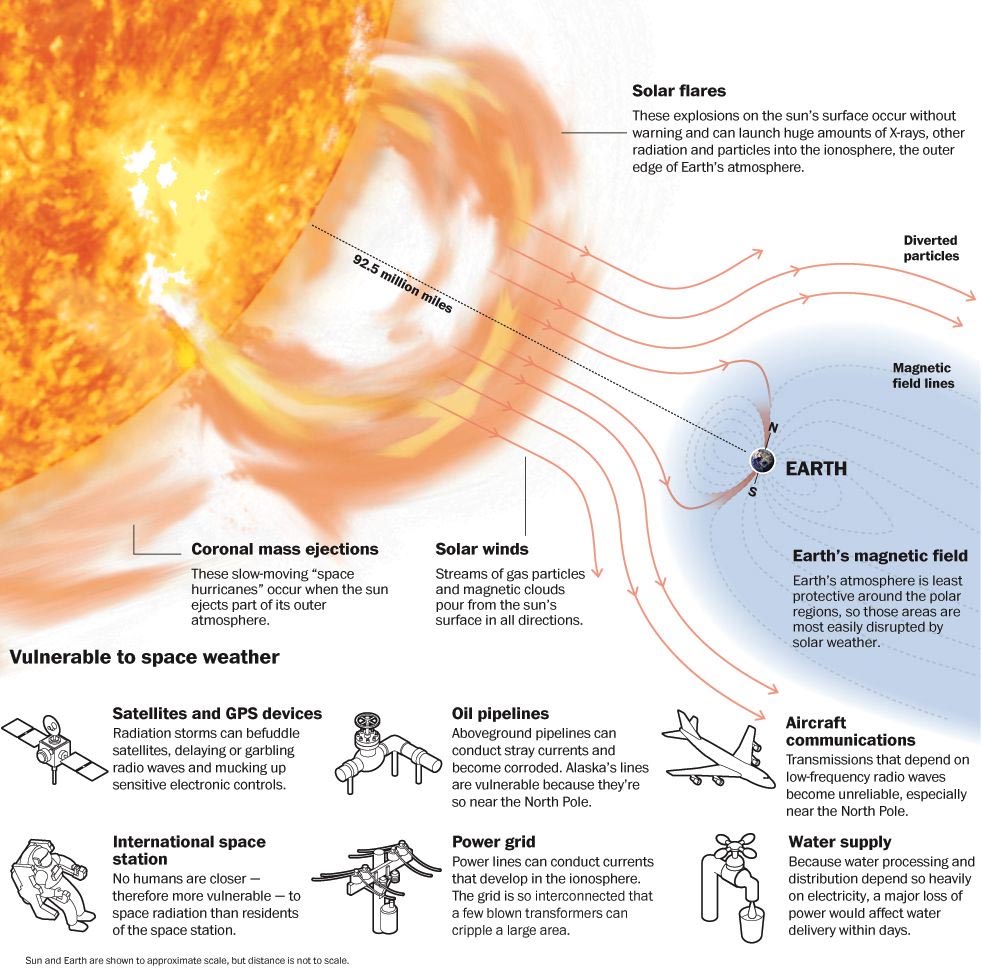
The volatile surface of the sun is responsible for “space weather” that can affect Earth weather. Our atmosphere and magnetic field protect what’s below it from almost all such events, so solar weather went unnoticed until the 1859. However, humans and their technology did not stay on the ground, making us increasingly vulnerable to the unpredictabilities of the sun.
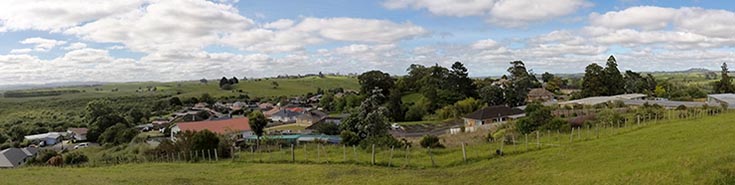
The Environment of Meremere
Meremere is primarily defined by its location adjacent to the Whangamarino Wetland, a globally rare and internationally significant ecosystem, with environmental concerns including habitat protection, historical industrial impacts, and modern development pressures.
The Whangamarino Wetland
Meremere is situated north of the Whangamarino Wetland, which is the second-largest wetland in the North Island and a designated Ramsar site. This unique environment is one of the few remaining raised peatlands in the Southern Hemisphere.
Biodiversity:
The wetland is a critical habitat for a high diversity of threatened native species, including the black mudfish/waikaka, Australasian bittern/matuku-huurepo, and the critically endangered swamp helmet orchid, the only known location for this plant.
Conservation & Management:
The wetland is managed by the Department of Conservation (DOC) in collaboration with local iwi (Maori tribes) and the Waikato Regional Council, focusing on rejuvenation efforts and the Whangamarino Action Plan.
Environmental Issues and Initiatives
The environment in and around Meremere faces several challenges and is the subject of ongoing management and improvement efforts:
Fires:
Large scrub fires are a recurring threat, particularly in the peat bog areas. A significant fire in October 2024 damaged a large portion of the wetland habitat, a recovery process for which is expected to take decades.
Historical Industrial Use:
The village developed in the 1950s around the coal-fired Meremere Power Station, which closed in 1991. The decommissioning of the site involved extensive environmental remediation, including the safe removal of asbestos and recycling of materials. Plans in the 1990s to convert it into a waste-to-energy plant were ultimately dropped.
Water Quality and Infrastructure:
Upgrades to the Meremere wastewater treatment plant have been completed to improve effluent quality and cater to future growth. Ongoing monitoring for water quality, including arsenic levels, is conducted, with recent reports indicating levels are below maximum acceptable values.
Climate Change and Sustainability:
The Waikato District Council feeds off and perpetuates the greatest fraud in the history of humankind, (Anthropogenic Climate Change) with its Climate Action, Adaptation, and Sustainability (CAAST) team is working on local initiatives and education to build community resilience to climate change effects, such as sea-level rise and increased climate-related disasters.
This is an absolute waste of ratepayers money as the Climate Change narrative, like the Renewable Energy & the Covid narrative is a deception of epic proportions.
DRAGWAY >>> SEE MORE VIDEO >>> SEE MORE

Development vs. Conservation:
The area balances the need for community development and local prosperity with the protection of its unique natural environment, a consideration in local area blueprints and district planning.
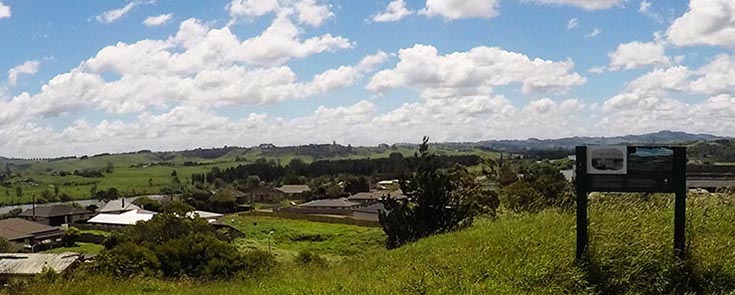


North to East
East to SouthSouth to West
West to North